First, a recipe. Find some lettering, carefully painted or printed on something solid, like wood or metal, an old nameplate, maybe, Then get to work on it with sandpaper, until the edges of the letters vanish here and there, and the entire surface is pitted, scratched and otherwise damaged. Now dust it off and step back to admire the new urgency of the letters; meaningless text now animated with meaning, as if each gash and speck tells a story.

Editorial
Sans and Sensibility
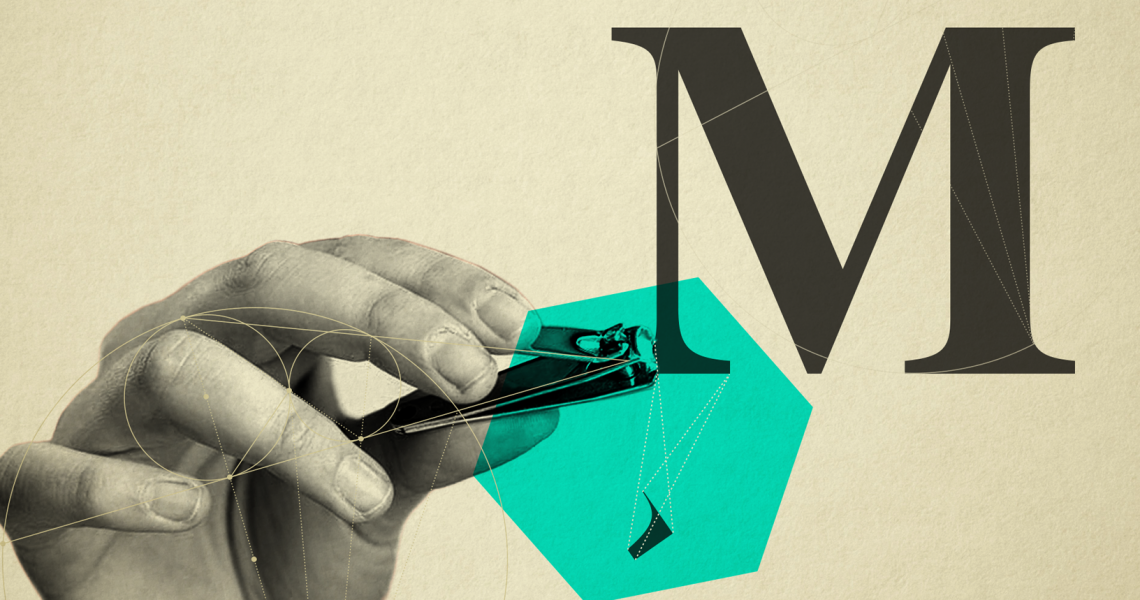
Here’s the news from typography, for the world: little things can count for a lot.
In the logo and fashion design commentariat, much press has been devoted to the recent and clear trend of established, iconic fashion companies rebranding themselves with plain, sans-serif lettering, moving away from the classic forms of Roman, serif letters. A defection to an enemy country!
By My Own Hand
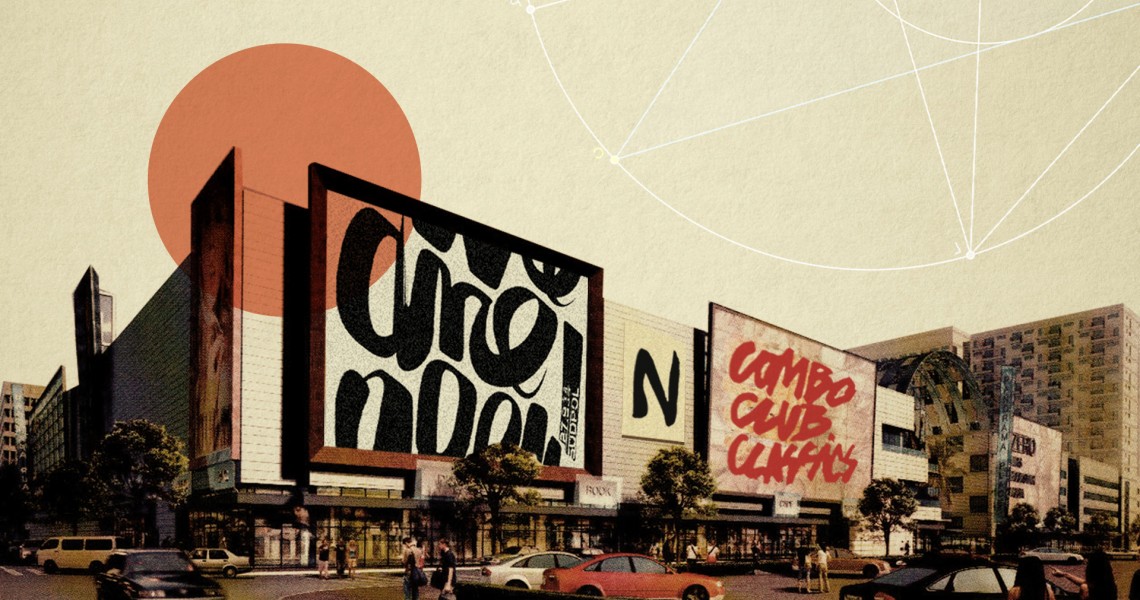
You see it everywhere, absolutely everywhere: rough-and-ready brush lettering or something like it. It’s proudly imperfect and knowingly naive. It’s bold and inkily raw; its voice can be raucous and assertive or tremulous and quivering. It’s on posters, packaging, banners and trademarks of food brands and political movements; on literary book covers, at conferences, and perhaps most of all as messages on social media.
You Don’t Absolutely Love Your Vernacular Newspaper
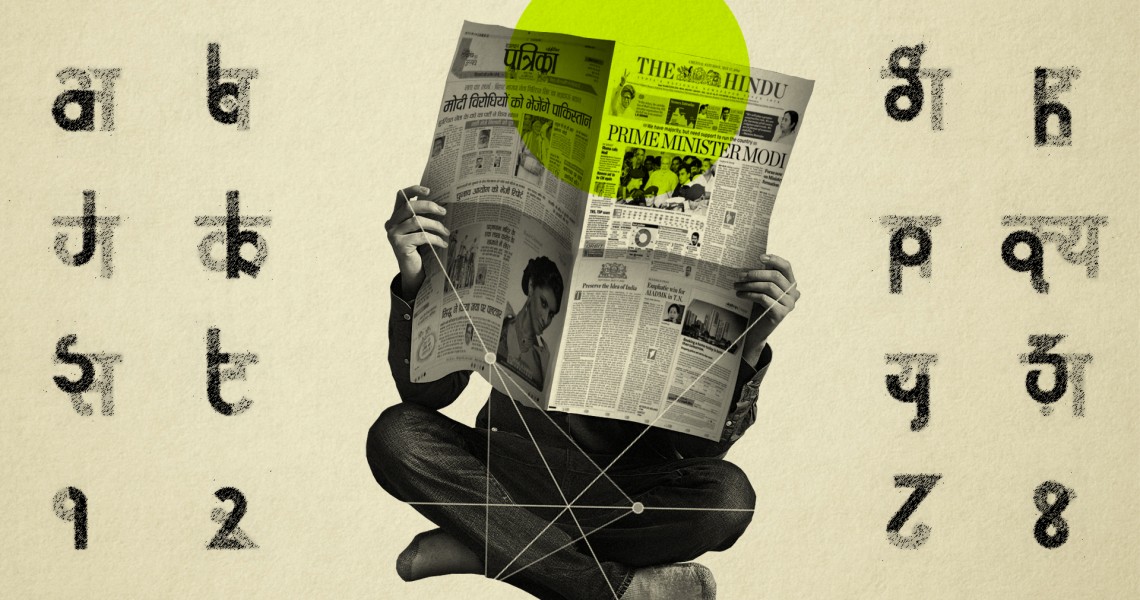
First, the news. At a recent WPP conference, sponsor Rajasthan Patrika (the group that owns the popular daily of the same name) challenged participants to make ‘Hindi cool’. Storyboard editor Anant Rangaswami judged their efforts, not favourably; but his insightful piece argues that we should invert cause and effect. If Hindi newspapers invested in design, he says, Hindi would look cooler; and Hindi publications would get the increased advertising rates commensurate with their robust readership growth, while their English confrères continue to increase their ad rates despite feeble, none or negative growth.