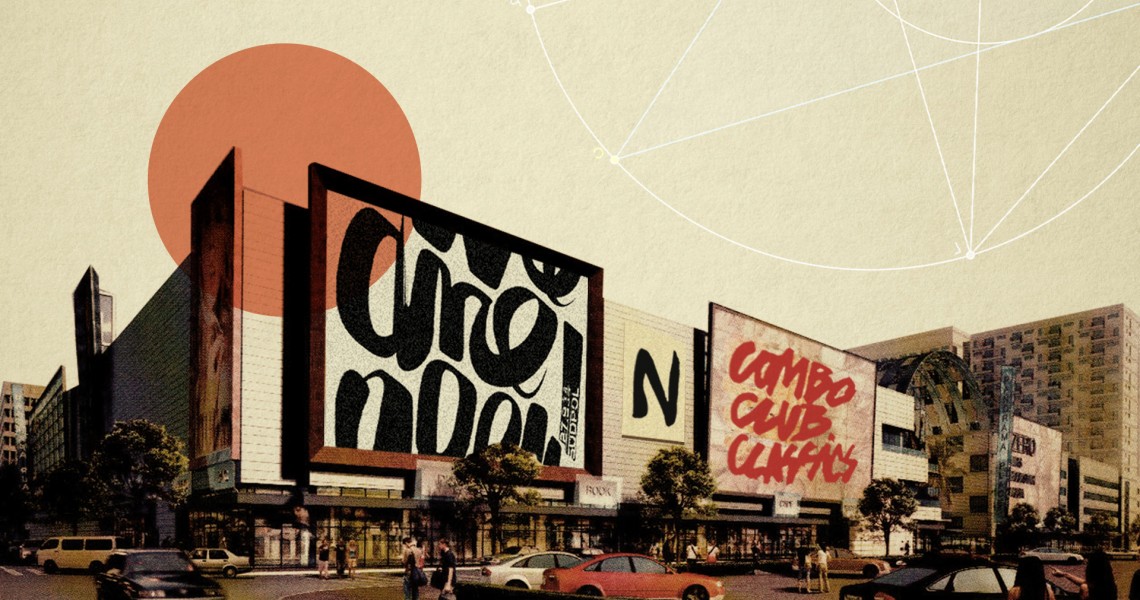
You see it everywhere, absolutely everywhere: rough-and-ready brush lettering or something like it. It’s proudly imperfect and knowingly naive. It’s bold and inkily raw; its voice can be raucous and assertive or tremulous and quivering. It’s on posters, packaging, banners and trademarks of food brands and political movements; on literary book covers, at conferences, and perhaps most of all as messages on social media.
brand
Hidden In Plain View: Physique
First published in a slightly modified form ‘Physique’ in Business Standard, 17 November, in Deep Design, a fortnightly column by Itu Chaudhuri.
Brands place a premium on attention, firing images and words shaped into messages to inform and persuade. Indeed, we live amidst a war for our attention, an exquisitely perishable wisp that lives in the now.
The Currency of Design
First published in a slightly modified form ‘The Currency of Design’ in Business Standard, 19 November, in Deep Design, a fortnightly column by Itu Chaudhuri.
“I refuse to add to the chorus,” said DOPE, as the the Designer Of Practically Everything was known to his colleagues, “dissing the Rs 2000 note’s design. Instead, let’s treat it as an occasion to ask explore what design means.”
Brand Is UX, Or Something Like That
First published in a slightly modified form ‘Brand Is UX, Or Something Like That’ in Business Standard, 5 November, in Deep Design, a fortnightly column by Itu Chaudhuri.
“The 20th century was the Age of advertising,“ said the Undisputed Strategic Panjandrum, known with awe as USP, “right up to the Great Shift or the digitisation of everything.”
Nobel, Dylan and the twilight of authority
First published in a slightly modified form ‘Nobel, Dylan and the twilight of authority’ in Business Standard, 22 October, in Deep Design, a fortnightly column by Itu Chaudhuri.
“The Nobel Committee has won the Bob Dylan Prize,” announced the Always Contrarian Everyman, or ACE, a lapsed academic I’d been introduced to by mutual friends, to help with some research on communications planning.
We, the Undersigned
“The trouble with you creative fellows,” said VSOP (Very Superior Old Person), “is that you think brand only means advertising, or synthesising emotions to sell your widgets.”
I’d sought advice on Brand India for an article, and sat across chutney sandwiches and coffee in the understated lounge of the lushly landscaped International Information Centre. I protested that no, I didn’t think so, and wasn’t in advertising. But VSOP, a retired bureaucrat of Great Standing, and known to be “an acquired taste”, was in spate.
Making Sense of Election Symbols
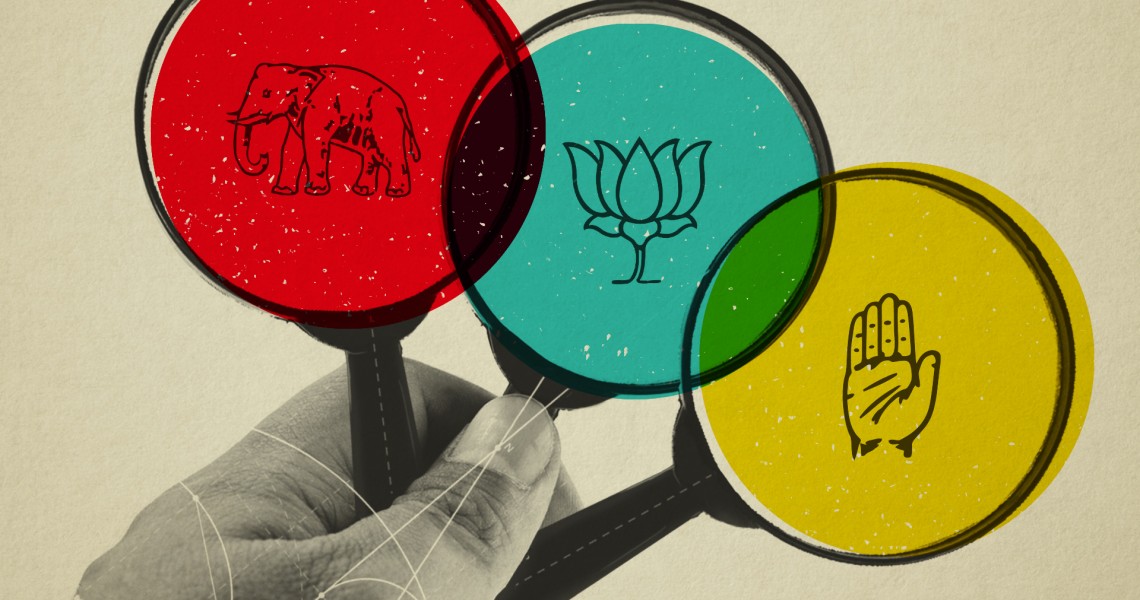
By themselves, symbols mean nothing. It takes prior knowledge to associate, purely by convention, a white-tipped cane with its blind owner. More connotative symbols acquire meaning by social processes. In an English storybook, a cock may announce the break of day, while its Indian cousin, the murga, may identify a certain type of tandoori joint. Each of these uses a code, a script that tells us what the once-arbitrary symbol means in a particular context.