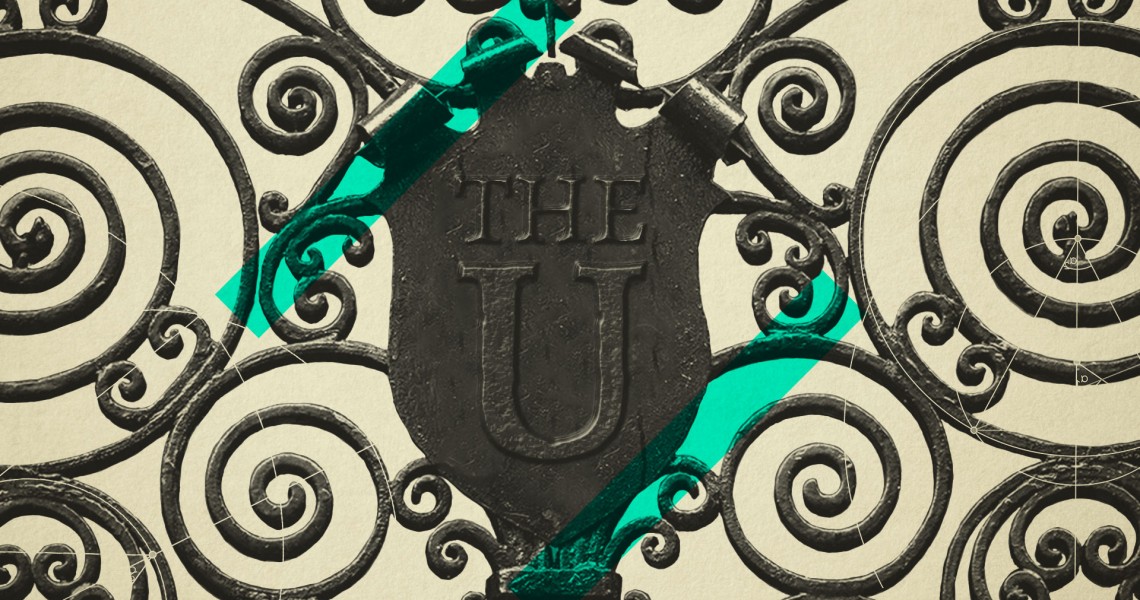
First, a recipe. Find some lettering, carefully painted or printed on something solid, like wood or metal, an old nameplate, maybe, Then get to work on it with sandpaper, until the edges of the letters vanish here and there, and the entire surface is pitted, scratched and otherwise damaged. Now dust it off and step back to admire the new urgency of the letters; meaningless text now animated with meaning, as if each gash and speck tells a story.
design
Design and the future
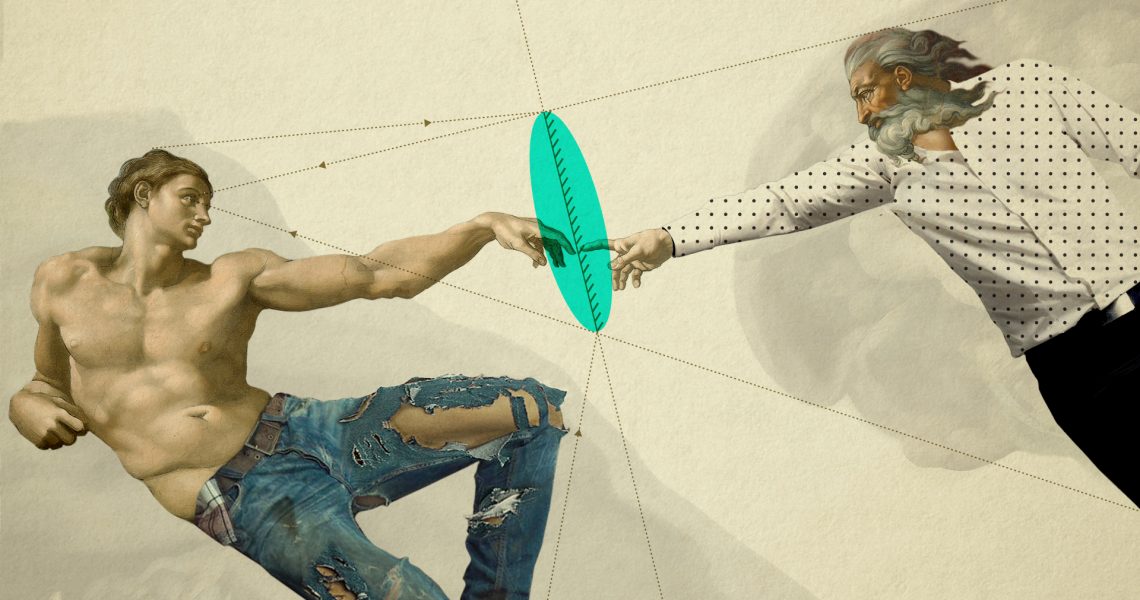
Design, as a thinking style, is starting to be recognised for its contribution to tackling today’s most complex problems. Its role may be even more important in the future, or the Future, that permanently fascinating horizon which occupies our dreams and fantasies. But not just in making the products and services of tomorrow.
Specialists vs Generalists
A human being, wrote sci-fi writer Robert Heinlein, should be able to fight, write poetry and die gallantly, among 18 more things. Specialisation, he famously said, is for insects.
Visionary Position: Design on Top
Look around you and you likely wouldn’t know it, if you are reading this in print in a developing country, but business is getting very, very attracted to design. If, on the other hand, you are reading this on a screen in a G-8 country, this may seem like settled fact. This is a consummation that designers have long and devoutly wished, and while isn’t, not yet, a ‘best practice’ that corporations adore, it’s no longer just conference-room hype. Power and money demonstrate that.
Brand Is UX, Or Something Like That
First published in a slightly modified form ‘Brand Is UX, Or Something Like That’ in Business Standard, 5 November, in Deep Design, a fortnightly column by Itu Chaudhuri.
“The 20th century was the Age of advertising,“ said the Undisputed Strategic Panjandrum, known with awe as USP, “right up to the Great Shift or the digitisation of everything.”
University Logos: What’s Changed And Why It Matters
First published in a slightly modified form ‘Branding, to a degree’ in Business Standard, 10 September, in Deep Design, a fortnightly column by Itu Chaudhuri.
In India, the notion of the brand is both nascent and spreading at a gallop. States, NGOs, government bodies, spiritual leaders, cricket teams, and other once-unlikely entities are starting to receive marketing attention, so the brand is never far behind. It’s the new orthodoxy.
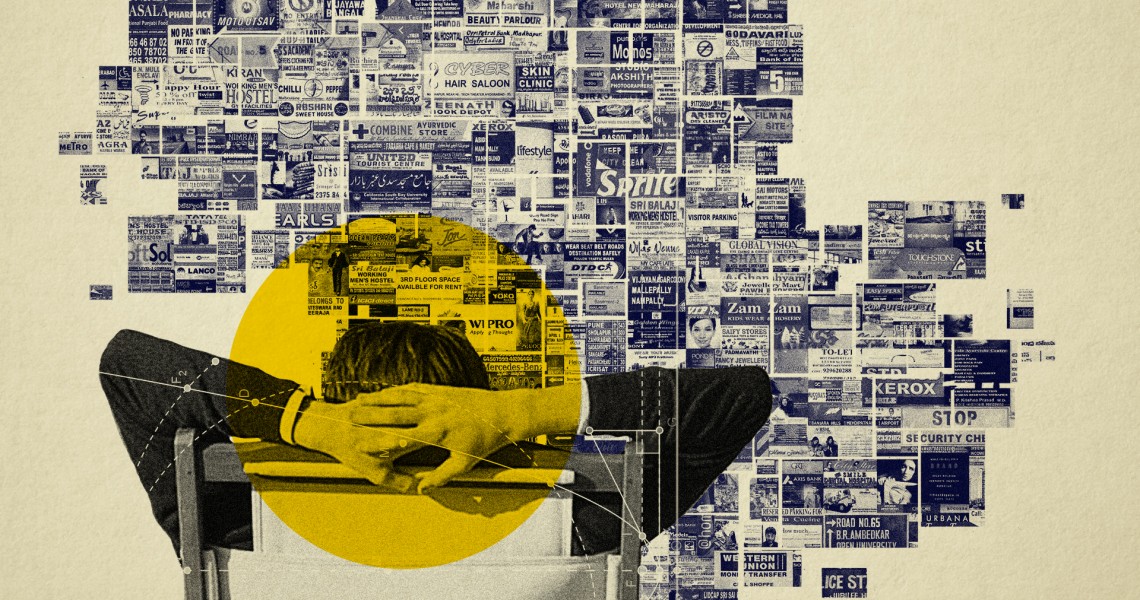
To Clutter, With Reason and Love
First published in a slightly modified form ‘the laws of Clutter’ in Business Standard, 27 August, in Deep Design, a fortnightly column by Itu Chaudhuri.
“Clutter,” said the Grandiosely Opinionated Deviant, (GOD) “is a master theme of Indian visuality.” He adjusted a pair of futuristic-looking hospital-issue dark glasses, an odd presence in the restaurant we were in. Recovering from eye surgery, he’d asked—summoned, really—my help with making notes and drafting a paper on aesthetics.
The Three Ages of Olympic Logos
First published in a slightly modified form in Business Standard, 13 August, in Deep Design, a fortnightly column by Itu Chaudhuri.
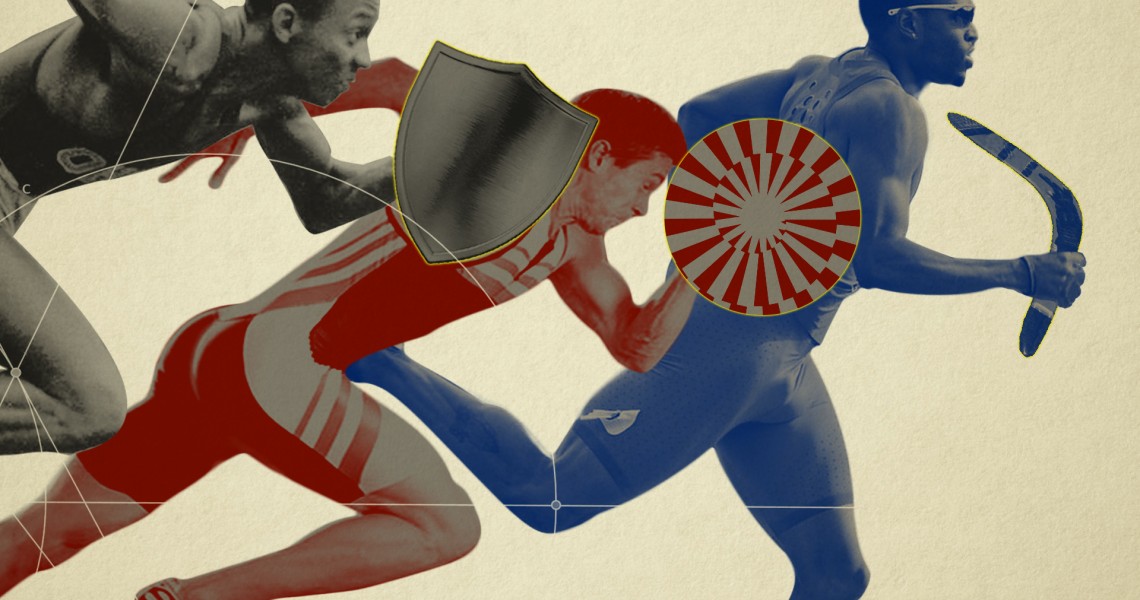
Everyone loves a new, public logo. It’s a polarising icon, and comments are free. So it is with Olympic logos. Deep Design seeks not to praise or bury them, but to discover the meaning interred into their bones.
- 1
- 2